









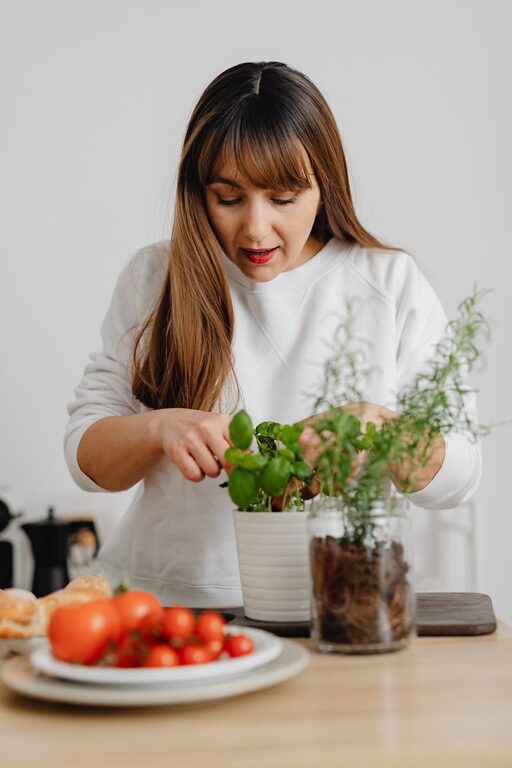
Creating an indoor herb garden is a fantastic way to bring life into your living space while having fresh herbs at your fingertips for cooking. Whether you have a spacious kitchen or a small apartment window sill, establishing a beautiful and functional herb garden indoors is easier than you may think. With the right approach, you can combine aesthetics and practicality to enjoy fresh flavours all year round.
In this post, we will guide you through key tips for designing an indoor herb garden that not only looks attractive but also thrives.
Why Grow an Indoor Herb Garden?
Indoor herb gardens offer numerous benefits:
– Access to fresh herbs anytime
– Reduced food waste by harvesting as needed
– Enhanced kitchen décor with lush greenery
– Improved air quality and mood from plants indoors
They’re ideal for anyone interested in cooking, gardening, or simply adding a touch of nature inside the home.
Choosing the Right Herbs
Selecting herbs that grow well indoors is crucial for success. Consider varieties that tolerate indoor light levels and conditions:
– Basil: Needs plenty of sunlight; perfect for bright windowsills.
– Mint: Easy to grow and tolerant of varying light.
– Parsley: Thrives with moderate light and is versatile in dishes.
– Thyme: Prefers well-draining soil and bright indirect light.
– Chives: Hardy and suitable for lower light environments.
– Coriander (cilantro): Likes cool temperatures and some shade.
Start with 3–5 herbs to keep your garden manageable.
Selecting Suitable Containers
Containers play a key role in both the garden’s appearance and the health of your herbs.
– Use pots with drainage holes to prevent waterlogging.
– Consider ceramic, terracotta, or decorative metal pots for style.
– Choose containers that complement your kitchen decor.
– Self-watering pots are beneficial if you tend to forget watering.
Grouping different containers on a tray can create a cohesive look and protect your surfaces.
Lighting Requirements
Light is the most important factor for indoor herb success.
– Most herbs need at least 6 hours of direct or bright indirect sunlight.
– South or west-facing windows generally provide the best light.
– If natural light is limited, supplement with grow lights designed for plants.
– Position grow lights 10-15 cm above plants and keep them on for 12-16 hours daily.
Rotating plants regularly ensures even growth.
Soil and Drainage
Herbs prefer well-draining, nutrient-rich soil.
– Use a quality potting mix designed for indoor plants or herbs.
– Avoid garden soil, which can compact inside pots.
– Add perlite or sand to improve drainage if needed.
– Place a layer of small stones or gravel at the pot base to aid water flow.
Check soil moisture by touching the top; water when dry.
Watering Tips
Proper watering is essential to avoid root rot or wilting.
– Water herbs when the top 1-2 cm of soil feels dry.
– Water generously until it drains out the bottom, then empty trays.
– Avoid letting plants sit in stagnant water.
– Adjust frequency depending on season and indoor temperature.
Mist herbs sparingly to increase humidity if your home is dry.
Maintaining Your Herb Garden
Keeping your herbs healthy requires some simple ongoing care.
– Pruning: Regularly trim herbs to encourage bushy growth and prevent flowering, which can reduce flavour.
– Fertilising: Use a balanced, diluted liquid fertiliser every 3-4 weeks during the growing season.
– Pest Control: Watch for common pests like aphids or spider mites and treat with natural remedies such as neem oil.
– Air Circulation: Ensure good airflow to reduce fungal problems; avoid overcrowding pots.
Styling Your Indoor Herb Garden
Making your herb garden a lovely feature in your home adds extra pleasure.
– Arrange herbs at different heights using plant stands or shelves.
– Choose pots in coordinating colours or textures.
– Incorporate decorative elements like pebbles, plant markers, or wooden trays.
– Combine herbs with other plants such as succulents for variety.
Consider the space where your garden gets the best light and is easily accessible for cooking.
Harvesting Your Herbs
Knowing when and how to harvest maximises flavour and plant health.
– Pick herbs in the morning after dew dries for best taste.
– Snip leaves or stems just above a leaf node to encourage regrowth.
– Harvest regularly but avoid removing more than one-third of the plant at once.
– Use herbs fresh or dry them properly for later use.
With a little attention, your indoor herb garden will continue providing fresh ingredients for months to come.
Final Thoughts
Creating a functional and beautiful indoor herb garden enhances both your cooking and your living space. By choosing suitable herbs, providing adequate light and water, and styling your containers thoughtfully, you can cultivate a thriving indoor garden no matter your available space.
Start small, enjoy the process, and before long you’ll have an appealing selection of fragrant, fresh herbs right in your home. Happy gardening!